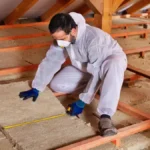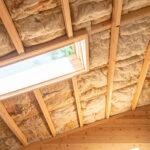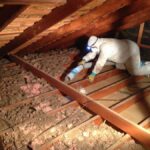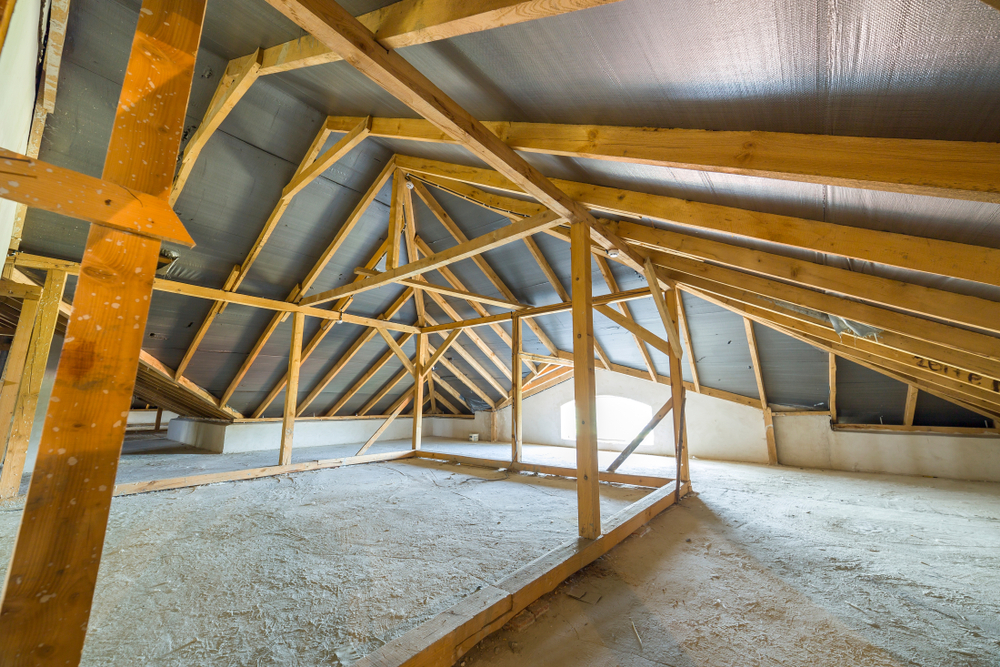
Keeping unwanted critters out of your home starts with a well-protected attic. Many homeowners overlook the role that attic insulation for pest prevention plays in keeping rodents, insects, and other pests at bay. Insulation not only helps regulate temperature and energy efficiency, but it also acts as a physical barrier against intruders looking for shelter, food, or nesting sites. By understanding the right materials, installation methods, and maintenance routines, you can make your attic a far less inviting place for pests.
This article provides practical advice on choosing and maintaining insulation to deter pests, as well as tips for sealing entry points and keeping your attic clean. For those interested in a broader look at how insulation impacts your home, you may also want to explore roof insulation and moisture control for additional insights.
Why Pests Target Attics and How Insulation Helps
Attics are attractive to pests for several reasons: they are often warm, dark, and undisturbed, making them ideal nesting spots. Gaps, cracks, and poorly installed insulation can provide easy access and hiding places for rodents, insects, and even birds. When insulation is missing or damaged, it can also trap moisture, creating an environment that attracts termites, carpenter ants, and other wood-destroying pests.
Properly installed insulation for pest control serves as a barrier that blocks entry points and limits the resources pests need to survive. The right materials and installation techniques can make a significant difference in keeping your attic pest-free.
Choosing the Best Insulation Materials to Deter Pests
Not all insulation types are equally effective at discouraging unwanted guests. Some materials are more resistant to gnawing, burrowing, and nesting than others. Here’s a look at common options:
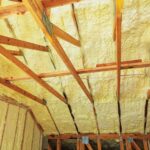
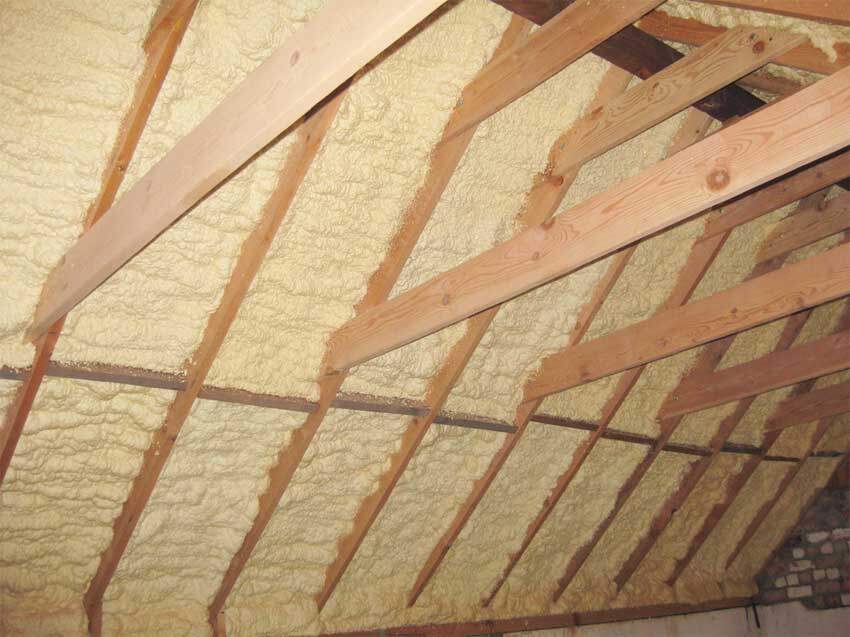
- Spray foam insulation: This material expands to fill gaps and cracks, creating a tight seal that is difficult for pests to penetrate. Its dense structure makes it less attractive for nesting.
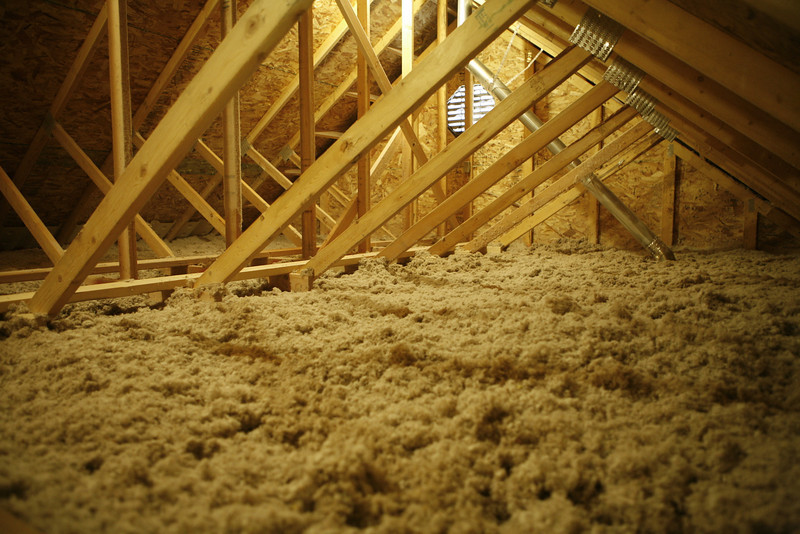
- Cellulose insulation: Treated with borates, cellulose is naturally resistant to insects and rodents. It also fills cavities well, reducing open spaces.
- Fiberglass insulation: While commonly used, fiberglass can be moved or tunneled through by rodents if not installed properly. It’s important to pair it with air sealing.
- Mineral wool: This material is dense and fire-resistant, making it less appealing to pests, though it is not a complete deterrent on its own.
Sealing Entry Points: The First Line of Defense
Even the best attic insulation for pest prevention won’t be effective if there are unsealed gaps or holes. Before adding or upgrading insulation, inspect your attic thoroughly:
- Check for gaps around vents, pipes, chimneys, and electrical wiring.
- Seal cracks and holes with caulk, steel wool, or expanding foam.
- Install metal flashing or mesh over larger openings.
- Make sure soffit and ridge vents are screened to allow airflow but block pests.
Addressing these vulnerabilities before installing insulation will maximize its effectiveness as a pest barrier.
Proper Installation Techniques for Pest-Resistant Attics
The way insulation is installed can impact its ability to keep pests out. Here are some best practices:
- Full coverage: Ensure that insulation covers all attic surfaces, including hard-to-reach corners and around joists.
- Layering: In some cases, combining spray foam with batts or loose-fill insulation can enhance both energy efficiency and pest resistance.
- Air sealing: Always air seal before insulating to prevent pests from finding their way through small gaps.
- Professional installation: Consider hiring a professional, especially for spray foam or cellulose, to ensure thorough coverage and compliance with building codes.
Maintenance and Monitoring: Keeping Pests Out Long-Term
Insulation is not a set-it-and-forget-it solution. Regular maintenance is essential to ensure your attic remains pest-free:
- Inspect insulation at least once a year for signs of disturbance, droppings, or nesting material.
- Look for moisture or mold, which can attract insects and weaken insulation.
- Replace or repair damaged insulation promptly.
- Keep the attic clean and free of clutter to reduce hiding spots for pests.
If you notice persistent pest activity, consult a pest control professional to address the problem before it escalates.
Additional Strategies for a Pest-Free Attic
Beyond insulation, there are other steps you can take to make your attic less appealing to pests:
- Store items in sealed plastic containers instead of cardboard boxes.
- Trim tree branches away from the roof to prevent easy access for rodents and insects.
- Repair roof leaks promptly to avoid moisture buildup.
- Consider using pest-repellent products or natural deterrents in areas prone to infestations.
For those living in extreme climates, choosing the right insulation can also improve comfort and efficiency. You can learn more about roof insulation for hot climates or roof insulation for cold climates to find solutions tailored to your environment.
Frequently Asked Questions
What type of attic insulation is most effective for pest prevention?
Spray foam insulation is highly effective because it expands to fill gaps, creating a strong barrier against pests. Cellulose treated with borates also offers good resistance to insects and rodents. However, the best choice depends on your specific attic structure and local pest threats.
How often should I inspect my attic insulation for pest activity?
It’s recommended to check your attic at least once a year, ideally before and after winter. Look for signs such as droppings, chewed materials, or disturbed insulation. Early detection helps prevent larger infestations and insulation damage.
Can I install pest-resistant insulation myself, or should I hire a professional?
While DIY installation is possible for some types, such as fiberglass batts, professional installation is advised for spray foam or cellulose. Professionals ensure complete coverage, proper air sealing, and compliance with safety standards, which are crucial for both pest prevention and energy efficiency.
Conclusion
Investing in the right attic insulation for pest prevention can save you time, money, and stress in the long run. By choosing pest-resistant materials, sealing entry points, and maintaining your attic, you create a less hospitable environment for unwanted guests. Combine these steps with regular inspections and good housekeeping practices to keep your attic—and your entire home—protected year-round.
For more information on optimizing your home’s insulation, consider reading about roof insulation for energy efficiency or how roof insulation and condensation prevention can further safeguard your living space.