


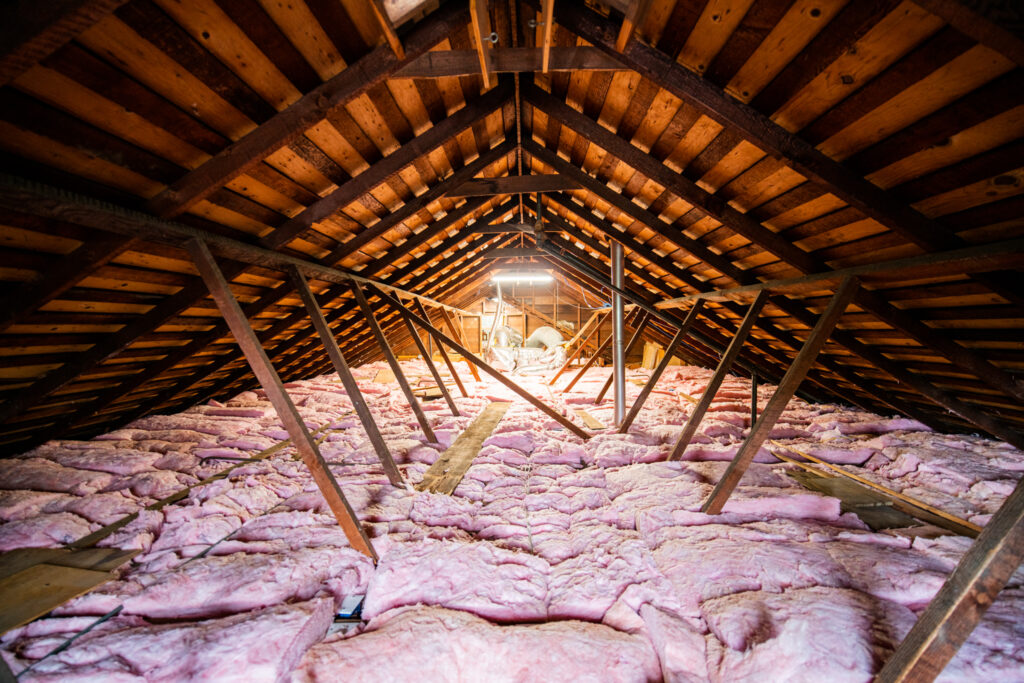
Proper attic insulation for new homes plays a crucial role in energy efficiency, comfort, and long-term durability. Even modern houses, built to higher standards than older properties, can benefit from evaluating and optimizing their attic insulation. With energy codes evolving and homeowners seeking lower utility bills, understanding the best approaches for insulating the attic in a recently built home is more important than ever.
This guide explores the most effective materials, installation methods, and considerations for maximizing the benefits of attic insulation in contemporary residences. Whether you’re a homeowner looking to improve comfort or a builder aiming to meet the latest standards, you’ll find practical advice to help you make informed decisions.
If you’re interested in how insulation strategies differ in older properties, you might want to read about attic insulation for old homes to compare the unique challenges and solutions.
Why Attic Insulation Matters in Modern Construction
Many assume that new houses automatically have optimal insulation, but this isn’t always the case. Building codes set minimum requirements, yet these standards may not reflect the best performance possible. Upgrading or verifying your attic insulation can result in:
- Lower energy bills due to reduced heating and cooling loss
- More consistent indoor temperatures throughout the year
- Improved indoor air quality and moisture control
- Enhanced resale value and marketability
- Longer lifespan for HVAC systems thanks to reduced workload
For new homes, the attic is often the largest source of potential energy loss. Addressing this area early ensures your investment pays off for years to come.
Types of Attic Insulation for New Homes
Selecting the right insulation material is key to maximizing efficiency. Here are the most common options found in modern attics:
Fiberglass Batt Insulation
Fiberglass batts are pre-cut panels that fit between attic joists. They’re popular for their affordability and ease of installation. In new homes, batts are often used in open attics with standard joist spacing. However, gaps or compression can reduce their effectiveness, so proper fitting is crucial.
Blown-In (Loose-Fill) Insulation
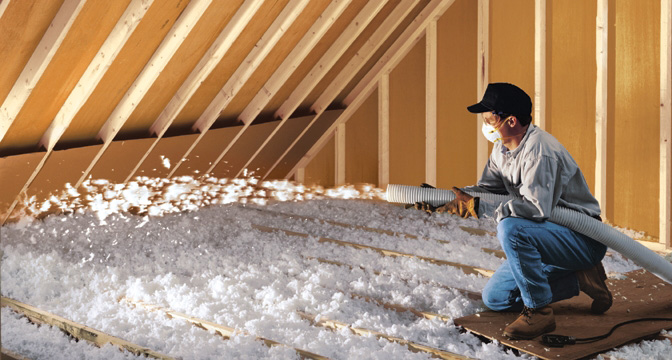
Blown-in insulation, made from fiberglass or cellulose, is installed using a machine that disperses the material evenly across the attic floor. This method is ideal for filling irregular spaces and achieving consistent coverage, which is especially important in new builds with complex rooflines or obstructions.
Spray Foam Insulation
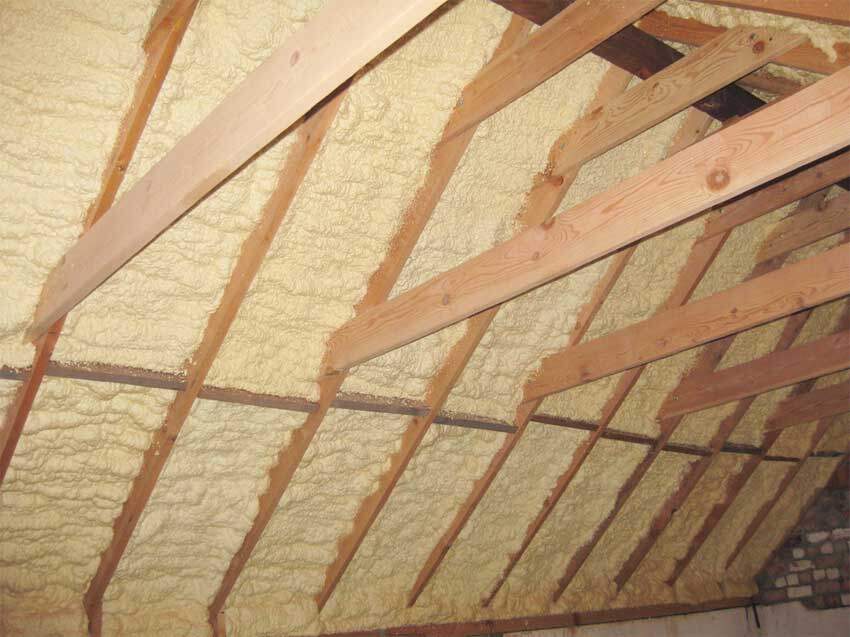
Spray foam is a premium choice for attic insulation in new homes. It expands to fill gaps and creates an air-tight seal, offering superior thermal performance and air sealing. Closed-cell spray foam also adds structural strength and moisture resistance. While more expensive, it’s often selected in high-performance or custom homes aiming for maximum efficiency.
Rigid Foam Board
Rigid foam boards are used in some new attics, particularly in cathedral ceilings or as part of a hybrid system. They provide a high R-value per inch and can help address thermal bridging in framing members.
Key Considerations for Insulating a Newer Attic
When planning attic insulation for a recently built home, keep these factors in mind:
- Building Code Requirements: Check your local energy code for minimum R-values. Many regions now require R-38 or higher in attics, but exceeding code can yield better comfort and savings.
- Air Sealing: Insulation works best when combined with thorough air sealing. Even small gaps can allow conditioned air to escape. Learn more about how to seal attic air leaks for optimal performance.
- Ventilation: Proper attic ventilation prevents moisture buildup and extends roof life. Insulation and ventilation must work together to avoid issues like mold or ice dams. For a deeper dive, see the attic insulation and ventilation relationship.
- Moisture Management: New homes are often tightly sealed, so vapor barriers and moisture control are essential to prevent condensation and mold.
- Future Access: Plan for easy access to wiring, plumbing, or HVAC components that may require maintenance down the line.
How to Assess and Upgrade Attic Insulation in a New Home
Even if your home is newly constructed, it’s wise to verify the quality and depth of attic insulation. Here’s a step-by-step approach:
- Inspect the Attic: Look for even coverage and check for gaps, compressed areas, or exposed framing.
- Measure Insulation Depth: Use a ruler to measure the thickness. Compare it to recommended R-values for your climate zone.
- Check for Air Leaks: Examine areas around light fixtures, attic hatches, and plumbing vents. Sealing these can significantly improve performance.
- Add More Insulation if Needed: If the current material is insufficient, consider adding more. For guidance, see how to add insulation to an attic for step-by-step instructions.
- Consult a Professional: If you’re unsure, a home energy audit or insulation contractor can provide expert recommendations.
Common Mistakes to Avoid with Modern Attic Insulation
Even with the best materials, certain pitfalls can undermine your efforts. Watch out for these common issues:
- Insufficient Coverage: Missing or thin spots can create cold or hot areas.
- Blocking Ventilation: Don’t let insulation block soffit vents or airflow paths.
- Ignoring Air Leaks: Failing to seal gaps reduces the effectiveness of even the best insulation.
- Using the Wrong Material: Not all products are suitable for every attic design or climate.
- DIY Errors: Improper installation can lead to safety hazards or void warranties.
Frequently Asked Questions
What R-value should I aim for in a new home’s attic?
The recommended R-value depends on your climate zone, but most new homes benefit from R-38 to R-60 in the attic. Exceeding local code requirements can improve comfort and energy savings.
Is spray foam worth the investment for new attics?
Spray foam offers superior air sealing and insulation but comes at a higher cost. It’s ideal for homes aiming for top-tier efficiency or where air leakage is a concern. For many, blown-in or batt insulation provides a good balance of performance and value.
Can I add more insulation to my new home’s attic later?
Yes, you can add insulation after construction. It’s important to match the new material with the existing type and ensure proper installation. For more details, refer to how to add insulation to an attic.
How does attic insulation affect roof lifespan?
Proper attic insulation helps regulate attic temperature and moisture, which can extend the life of your roofing materials. For more information, explore how roof insulation affects roof lifespan.
Conclusion
Investing in the right attic insulation for new homes is essential for achieving energy efficiency, comfort, and long-term value. By understanding the available materials, installation best practices, and the importance of air sealing and ventilation, you can ensure your attic performs at its best. Regular assessment and timely upgrades will help you maintain a comfortable, cost-effective living environment for years to come.


