


Keeping your home cool and energy-efficient in regions with high temperatures depends heavily on the right attic insulation for hot climates. The attic is often the first place where heat penetrates, making it crucial to select materials and installation methods that are specifically suited for warm weather. Choosing the right solution not only enhances comfort but also helps reduce energy bills and prolongs the lifespan of your HVAC system.
Many homeowners underestimate how much heat gain occurs through the attic. Properly insulating this space can make a significant difference, especially during peak summer months. Before diving into the best materials and techniques, it’s important to understand the unique challenges that hot climate homes face and how insulation addresses them.
For a deeper understanding of why this upgrade is so important, you can read more about why attic insulation is important for every home.
Understanding the Role of Attic Insulation in Warm Regions
In hot climates, the primary goal of attic insulation is to prevent heat from entering the living spaces below. When the sun beats down on your roof, the attic can reach temperatures far higher than the outside air. Without a proper barrier, this heat radiates downward, making your air conditioning system work harder and raising your energy costs.
The effectiveness of attic insulation for hot climates depends on several factors:
- Thermal resistance (R-value): Higher R-values indicate better resistance to heat flow, but the optimal value depends on your region.
- Material type: Some insulation types perform better in hot, humid conditions than others.
- Installation quality: Even the best material won’t perform well if installed incorrectly.
- Ventilation: Proper airflow in the attic works hand-in-hand with insulation to keep temperatures down.
Top Materials for Attic Insulation in Hot Weather
Selecting the right insulation material is key to maximizing comfort and efficiency. Here are the most effective options for homes in warm climates:
Radiant Barrier Systems
Radiant barriers are reflective materials, typically installed on the underside of the roof. Their main function is to reflect radiant heat away from the attic, reducing heat gain by up to 97%. These barriers are particularly effective in sunny, southern regions where solar radiation is intense.

Spray Foam Insulation
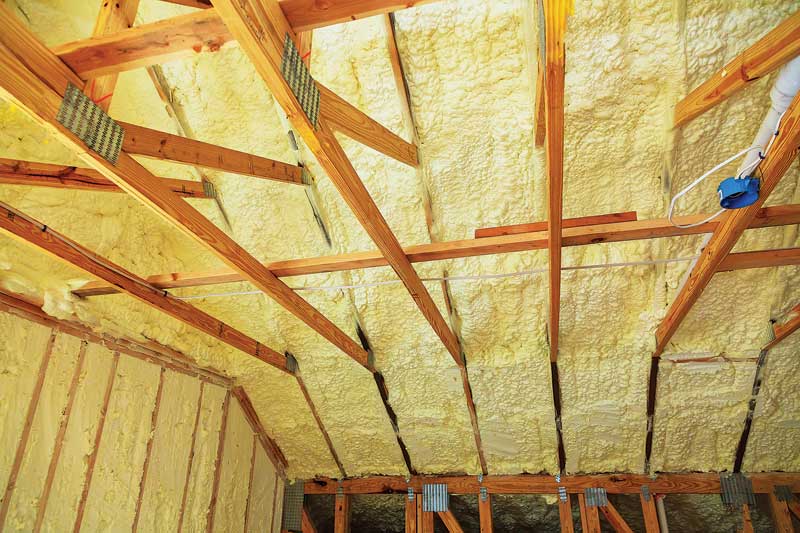
Spray foam is a popular choice for attic insulation for hot climates because it creates an air-tight seal. Closed-cell spray foam, in particular, offers a high R-value and excellent moisture resistance. This material not only blocks heat but also prevents air leaks, which can be a major source of energy loss in older homes.
Blown-In Fiberglass or Cellulose
Blown-in insulation is made from either fiberglass or cellulose fibers. It is often used to top up existing insulation or fill irregular spaces. While not as effective as radiant barriers at reflecting heat, blown-in materials provide solid thermal resistance and are cost-effective for large attics.
Rigid Foam Boards
Rigid foam boards, such as polyisocyanurate or extruded polystyrene, offer high insulating value per inch and can be installed along attic walls or floors. They are resistant to heat and moisture, making them suitable for hot and humid environments.
Key Considerations for Insulating Attics in Hot Climates
When planning an insulation upgrade, keep these factors in mind to ensure optimal performance:
- Climate zone: The recommended R-value varies by location. In very hot regions, R-30 to R-60 is often suggested for attics.
- Existing insulation: Assess what’s already in place. Sometimes, adding to current insulation is more cost-effective than a full replacement.
- Air sealing: Gaps and cracks in the attic floor can let hot air seep into living areas. Sealing these before adding insulation is crucial.
- Ventilation: Proper attic ventilation, such as ridge vents or soffit vents, helps remove trapped heat and moisture, working alongside insulation to keep temperatures stable.
- Moisture control: In humid climates, choose materials that resist mold and mildew.
Installation Tips for Maximum Efficiency
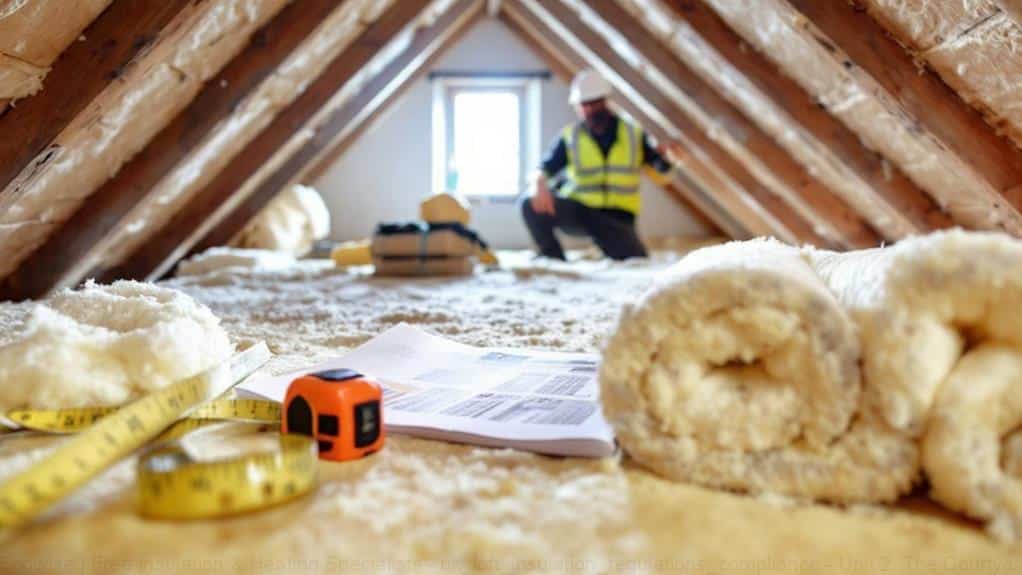
Even the best insulation won’t deliver results if installed poorly. Here are some practical steps to ensure your attic upgrade is effective:
- Inspect and prepare the attic: Remove debris, check for leaks, and seal any air gaps before installing new material.
- Choose the right thickness: Use a depth gauge or ruler to measure existing insulation. For guidance, see this resource on how to check attic insulation thickness.
- Install vapor barriers if needed: In humid areas, a vapor barrier may help prevent moisture buildup.
- Ensure even coverage: Avoid compressing or leaving gaps in the insulation, as this reduces its effectiveness.
- Maintain ventilation: Don’t block soffit or ridge vents. Good airflow is essential for temperature control.
How to Know When It’s Time for an Upgrade
If your home feels uncomfortably warm upstairs, or your cooling bills are rising, your attic may not be properly insulated. Other warning signs include visible gaps, uneven insulation, or evidence of pests and moisture. For more details, review the common signs your attic insulation needs replacing.
Frequently Asked Questions
What is the best R-value for attic insulation in hot climates?
The ideal R-value depends on your specific location, but in most hot regions, an R-value between R-30 and R-60 is recommended. Higher R-values provide better resistance to heat flow, helping keep your home cooler and reducing energy costs.
Can I combine different types of attic insulation?
Yes, combining materials like a radiant barrier with spray foam or blown-in insulation can maximize both reflective and thermal resistance. This layered approach is especially effective in areas with high solar exposure.
How often should attic insulation be replaced?
Most insulation materials last 15–30 years, but factors like moisture, pests, or improper installation can shorten their lifespan. Regular inspections are recommended, and you should consider replacement if you notice sagging, mold, or significant energy loss.
Does attic insulation help with humidity control?
While insulation reduces heat transfer, certain materials like closed-cell spray foam also provide a moisture barrier. In humid climates, choosing insulation that resists mold and mildew is important for maintaining indoor air quality.
Conclusion
Upgrading your attic with the right insulation is one of the most effective ways to keep your home cool and energy-efficient in hot climates. By selecting materials designed for high temperatures, ensuring proper installation, and maintaining adequate ventilation, you can enjoy a more comfortable living space and lower utility bills year-round. If you’re unsure how much material you need, check out this guide on how much attic insulation do I need for maximum efficiency.


