


Choosing the right attic insulation for cold climates is essential for keeping your home warm, reducing energy bills, and preventing issues like ice dams and moisture buildup. With winters growing harsher in many regions, homeowners are seeking effective ways to improve energy efficiency and comfort. The right insulation not only helps maintain a consistent indoor temperature but also extends the lifespan of your roof and HVAC system.
Understanding which materials and installation methods work best in chilly environments can make a significant difference. This article explores top insulation types, their pros and cons, and practical tips for maximizing your attic’s performance during the coldest months.
If you’re unsure about the current state of your attic, it’s helpful to learn how to check attic insulation thickness correctly before making upgrades. This step ensures you’re not adding unnecessary material and helps you identify areas that need the most attention.
Why Proper Attic Insulation Matters in Cold Regions
In areas where winter temperatures routinely drop below freezing, a well-insulated attic is your first line of defense against heat loss. Without adequate protection, warm air escapes through the roof, forcing your heating system to work harder and increasing energy costs. Additionally, poor insulation can lead to condensation, mold growth, and even structural damage.
Investing in effective attic insulation for cold climates offers several benefits:
- Lower energy bills: Less heat escapes, so your furnace runs less often.
- Improved comfort: Fewer drafts and more consistent indoor temperatures.
- Protection against ice dams: Proper insulation helps prevent the formation of damaging ice on your roof.
- Longer roof life: Reduces the risk of moisture and ice-related damage.
Top Insulation Materials for Cold Weather Attics
Not all insulation products perform equally in frigid environments. Let’s examine the most popular options and how they stack up for homes in northern climates.
Fiberglass Batt and Blanket Insulation
Fiberglass batts are one of the most common choices for attics. They’re affordable, easy to install, and widely available. For cold climates, look for products with a high R-value per inch (R-38 or higher is recommended for attics in very cold areas).
- Pros: Cost-effective, non-combustible, easy to cut and fit between joists.
- Cons: Can leave gaps if not installed carefully, less effective if compressed or exposed to moisture.

Blown-In Cellulose Insulation
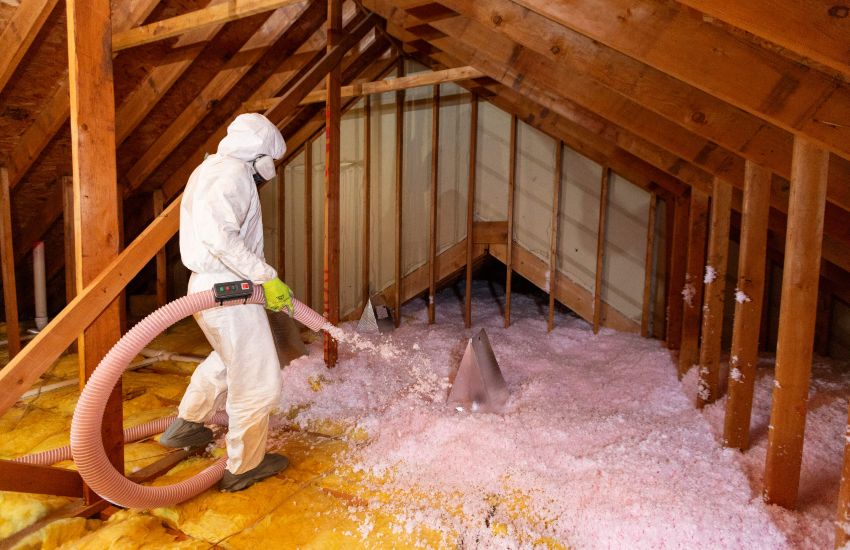
Cellulose is made from recycled paper treated with fire retardants. It’s blown into place using special equipment, filling gaps and covering irregular spaces more thoroughly than batts.
- Pros: Excellent air sealing, good for retrofits, eco-friendly, high R-value per inch.
- Cons: Can settle over time, may absorb moisture if attic ventilation is poor.
Spray Foam Insulation
Spray foam (both open-cell and closed-cell varieties) creates an air-tight seal and boasts one of the highest R-values available. Closed-cell spray foam is especially effective in cold climates because it also acts as a vapor barrier.
- Pros: Superior air sealing, moisture resistance, high R-value, adds structural strength.
- Cons: Higher upfront cost, professional installation required, potential for off-gassing during curing.
Mineral Wool (Rock Wool) Insulation
Mineral wool is made from spun rock or slag. It’s naturally fire-resistant, water-repellent, and offers excellent soundproofing in addition to thermal performance.
- Pros: High R-value, resists moisture and mold, easy to cut and fit, non-combustible.
- Cons: More expensive than fiberglass, can be harder to find in some areas.
Key Factors When Selecting Insulation for Cold Attics
When deciding which material to use, consider these important factors to ensure your attic performs optimally throughout winter:
- R-Value: This measures the insulation’s resistance to heat flow. The higher the R-value, the better the thermal performance. In cold climates, attics typically need R-49 or higher.
- Moisture Resistance: Choose products that won’t absorb water or support mold growth, especially if your attic is prone to condensation.
- Air Sealing: Preventing air leaks is just as important as adding insulation. Materials like spray foam and dense-packed cellulose excel at sealing gaps.
- Installation Method: Some products are easier for DIYers, while others require professional equipment and expertise.
- Budget: Factor in both material and installation costs, as well as long-term energy savings.
Installation Tips for Maximum Efficiency
Even the best insulation won’t perform well if installed incorrectly. Here are some practical tips for getting the most out of your attic upgrade:
- Seal all air leaks before adding new insulation. Pay special attention to areas around pipes, wiring, and attic hatches.
- Ensure soffit vents are not blocked, allowing for proper attic ventilation and reducing the risk of moisture buildup.
- Install insulation evenly, avoiding gaps or compressed areas that can reduce effectiveness.
- Consider adding a vapor barrier in very cold, humid climates to prevent condensation.
- Check local building codes for minimum R-value requirements and recommended installation practices.
For more on the importance of proper attic insulation, see why attic insulation is important for every home.
How Much Insulation Do You Need?
The amount of insulation required depends on your region’s climate zone and the type of material you choose. In most northern areas, the U.S. Department of Energy recommends at least R-49 for attics, which may require 16–18 inches of fiberglass or cellulose. Spray foam and mineral wool may achieve the same R-value with less thickness.
If you’re unsure how much to add, consult a professional or refer to this guide on how much attic insulation do I need for maximum efficiency.
Preventing Ice Dams and Moisture Problems
One of the biggest concerns in cold climates is the formation of ice dams—ridges of ice that build up along the roof edge and can cause leaks and damage. Proper attic insulation, combined with air sealing and ventilation, is the best defense.
Learn more about how attic insulation prevents ice dams and protects your home during harsh winters.
When to Replace or Upgrade Your Attic Insulation
Over time, insulation can settle, become damaged, or lose effectiveness. Signs that it’s time to upgrade include uneven temperatures, high heating bills, or visible moisture and mold. For more details, review the common signs your attic insulation needs replacing.
Frequently Asked Questions
What R-value is recommended for attics in very cold climates?
For homes in northern regions, an R-value of at least R-49 is generally recommended. This level of insulation helps prevent heat loss and keeps your home comfortable during extreme winter conditions.
Is spray foam better than fiberglass for cold weather?
Spray foam offers superior air sealing and moisture resistance compared to fiberglass, making it an excellent choice for cold climates. However, it is more expensive and usually requires professional installation. Fiberglass remains a good option if installed carefully and to the proper thickness.
Can I add new insulation over old insulation in my attic?
Yes, in most cases you can add new insulation on top of existing material, as long as the old insulation is dry and free of mold. Be sure to address any air leaks or moisture issues before installing additional layers.


