


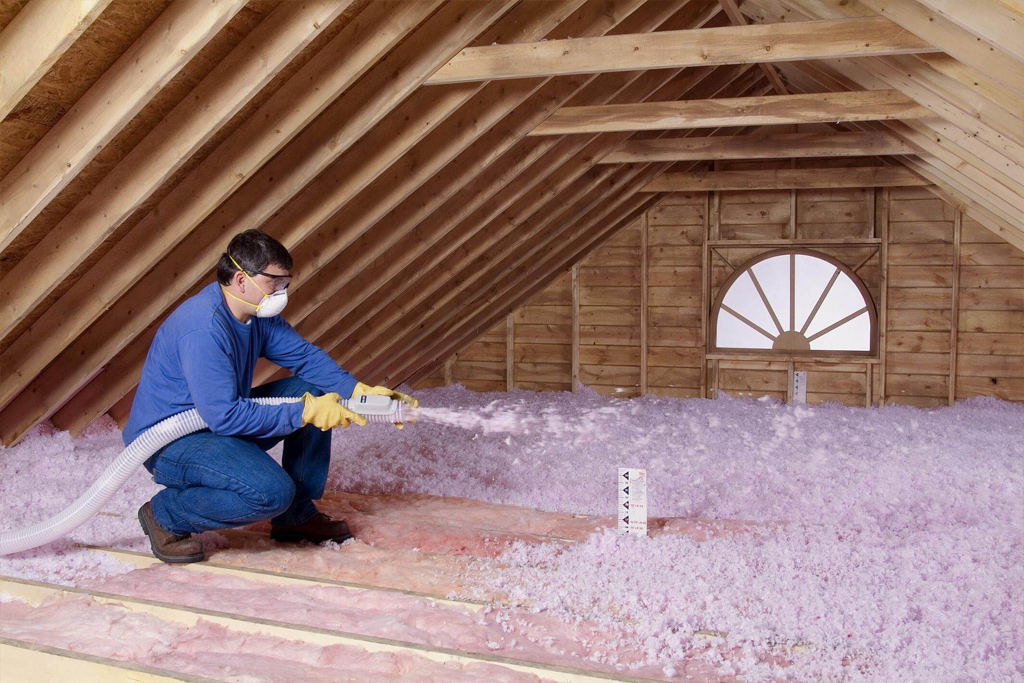
Attic insulation plays a crucial role in maintaining energy efficiency, indoor comfort, and the overall health of a home. However, homeowners often encounter a range of attic insulation common problems that can undermine these benefits. Issues like uneven coverage, moisture intrusion, and aging materials can lead to higher energy bills, uncomfortable rooms, and even structural damage if left unaddressed.
Understanding the typical challenges associated with attic insulation and knowing how to address them can help you protect your investment and improve your living environment. Whether you’re dealing with an older property or a newer build, recognizing the warning signs and solutions is essential. For those interested in the broader impact of insulation, you can learn more about how attic insulation improves home value and why it’s a smart upgrade for any homeowner.
Signs of Trouble: Identifying Attic Insulation Issues
Detecting attic insulation common problems early can save you time, money, and hassle. Some warning signs are obvious, while others require a closer look. Here’s what to watch for:
- Uneven temperatures: If certain rooms are hotter or colder than others, poor attic insulation may be to blame.
- High energy bills: A sudden spike in heating or cooling costs often points to insulation issues.
- Drafts or cold spots: Feeling drafts in upper rooms can indicate gaps or compressed insulation.
- Moisture or mold: Wet insulation or visible mold growth signals a serious problem that needs immediate attention.
- Pest activity: Rodents and insects sometimes nest in attic insulation, causing damage and contamination.
If you notice any of these symptoms, it’s wise to inspect your attic or consult a professional to assess the situation.
Most Frequent Attic Insulation Challenges
Several issues tend to crop up repeatedly in attics, regardless of the insulation type or the age of the home. Below are some of the most widespread challenges and their underlying causes.
Insufficient or Uneven Coverage
One of the most prevalent attic insulation common problems is inadequate or patchy coverage. Over time, insulation can settle, shift, or become compressed, leaving gaps that allow air to escape. This is especially true for older fiberglass batts or loose-fill materials.
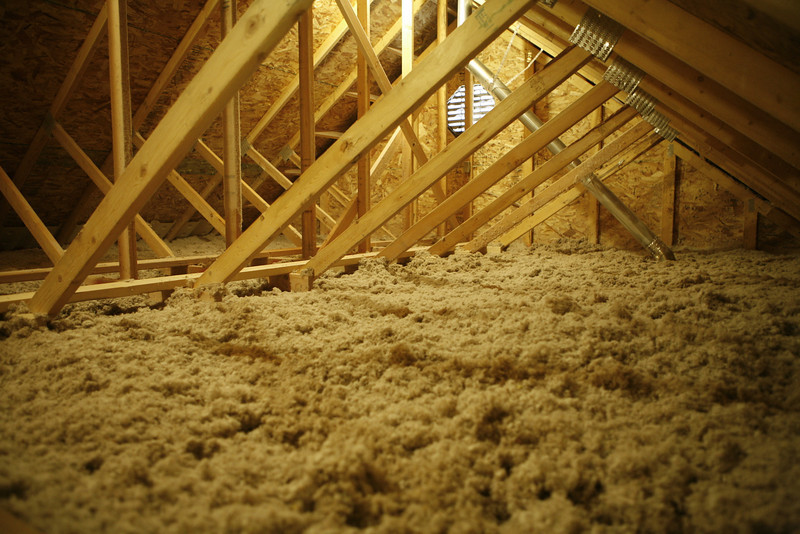
Fix: The best solution is to add more insulation to reach the recommended R-value for your climate zone. In many cases, blown-in cellulose or fiberglass can be layered over existing material to fill low spots and create a consistent barrier. If you’re interested in the benefits of this approach, see our guide on blown-in insulation benefits.
Moisture and Mold Growth
Moisture is a serious enemy of attic insulation. Leaks from the roof, poor ventilation, or condensation can saturate insulation, reducing its effectiveness and fostering mold growth. Wet insulation loses its insulating properties and can lead to wood rot or structural issues.
Fix: First, identify and repair the source of moisture—whether it’s a roof leak, inadequate venting, or bathroom fans venting into the attic. Remove and replace any wet or moldy insulation. Consider installing vapor barriers or improving attic ventilation to prevent future problems.
Pest Infestations
Rodents, birds, and insects are drawn to attics for shelter, and they often burrow into insulation. Their nesting can flatten, contaminate, or displace the material, leading to energy loss and potential health hazards.
Fix: Remove contaminated insulation and thoroughly clean the area. Seal all entry points to prevent pests from returning. Afterward, install new insulation and monitor the attic for signs of renewed activity.
Material-Specific Problems and Solutions
The type of insulation in your attic can influence the kinds of problems you might face. Here are some common issues associated with popular materials and how to address them.
Fiberglass Batts: Gaps and Compression
Fiberglass batts are widely used but can be improperly installed, leaving gaps around joists or fixtures. Over time, they may also become compressed, reducing their R-value.
Fix: Ensure batts are cut to fit snugly without gaps or overlaps. Replace any sections that have become compacted or damaged. For more details on this material, check out our article on how fiberglass insulation works for attic spaces.
Blown-In Insulation: Settling Over Time
Loose-fill or blown-in insulation can settle, especially if not installed to the correct depth. This creates thin spots and reduces overall effectiveness.
Fix: Periodically check the depth of loose-fill insulation and top it up as needed to maintain consistent coverage.
Spray Foam: Improper Application
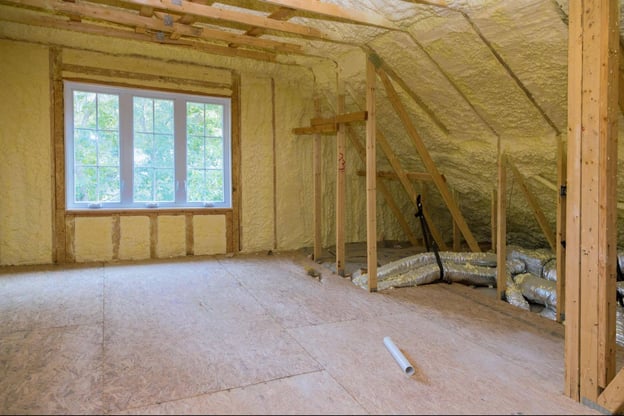
Spray foam offers excellent air sealing but requires professional installation. If applied incorrectly, it can leave gaps, off-gas unpleasant odors, or even damage roof decking.
Fix: Always hire experienced installers for spray foam projects. If you suspect issues, consult a specialist to inspect and correct any application errors. To learn more about this method, visit our resource on how spray foam insulation works in attics.
Preventing Future Attic Insulation Issues
Regular maintenance is key to avoiding recurring attic insulation common problems. Here are some practical steps to keep your attic in top shape:
- Inspect your attic at least once a year for signs of moisture, pests, or insulation displacement.
- Check roof and attic vents to ensure proper airflow and prevent condensation.
- Seal air leaks around attic hatches, plumbing stacks, and electrical penetrations.
- Replace or upgrade insulation as it ages or becomes damaged.
- Consult a professional for a comprehensive energy audit if you suspect hidden issues.
For homeowners with newer properties, there are tailored approaches to insulation. Explore our insights on attic insulation for new homes to ensure your investment is protected from the start.
Frequently Asked Questions
How often should attic insulation be inspected?
It’s recommended to inspect your attic insulation at least once a year. Regular checks help you spot early signs of moisture, pests, or settling, allowing you to address issues before they become bigger problems.
What is the best way to fix uneven insulation coverage?
The most effective solution is to add more insulation to low or thin areas. Blown-in materials are ideal for topping up existing layers and ensuring even coverage throughout the attic.
Can I install new insulation over old insulation?
In most cases, yes—you can add new insulation on top of existing material as long as the old insulation is dry, clean, and free of mold or pest contamination. If the old insulation is wet or damaged, it should be removed and replaced.


