Properly insulating your attic is one of the most effective ways to improve your home’s energy efficiency and comfort. However, even with high-quality insulation, heat loss and gain can still occur if thermal bridging is not addressed. Understanding how these two factors interact is essential for anyone planning upgrades, renovations, or new construction. This article breaks down the fundamentals of attic insulation, explains the concept of thermal bridging, and offers practical advice for minimizing energy waste in your home.
If you’re also interested in how attic and roof insulation relates to moisture management, you can learn more in our guide on roof insulation and moisture control.
Understanding the Role of Attic Insulation
Attic insulation acts as a barrier that slows the transfer of heat between your living space and the outdoors. In colder months, it helps retain warmth inside, while in summer, it keeps unwanted heat from entering. The effectiveness of insulation is measured by its R-value, which indicates resistance to heat flow. The higher the R-value, the better the material insulates.
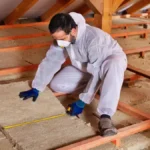
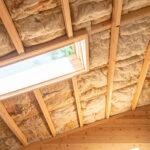
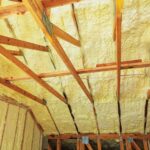
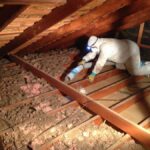
Common types of attic insulation include fiberglass batts, blown-in cellulose, spray foam, and rigid foam boards. Each material has its own advantages and is suited to different applications and budgets. Regardless of the type, the goal is to create a continuous layer that covers the attic floor or roof deck, minimizing gaps and air leaks.

What Is Thermal Bridging in the Attic?
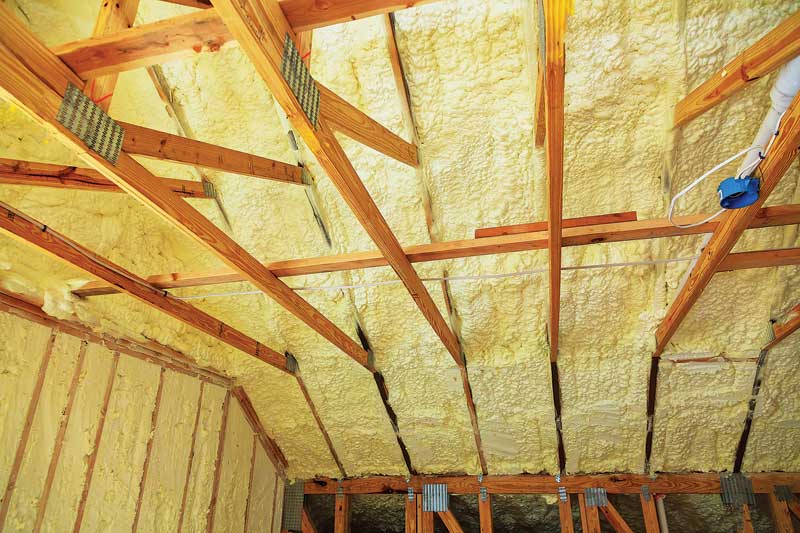
Thermal bridging occurs when a more conductive material, such as wood framing or metal fasteners, creates a path for heat to bypass the insulation layer. These “bridges” allow heat to flow much more easily than through the insulated sections, reducing the overall effectiveness of your attic insulation.
In most attics, thermal bridges are found where insulation is interrupted by rafters, joists, or other structural elements. Even if the majority of the attic is well-insulated, these areas can account for a significant portion of heat loss or gain. The result is higher energy bills, uneven temperatures, and sometimes even condensation or moisture problems.
How Thermal Bridging Impacts Energy Efficiency
The presence of thermal bridges can undermine the performance of even the best insulation systems. Heat naturally seeks the path of least resistance, so it will flow through these conductive materials much faster than through the surrounding insulation. This not only leads to wasted energy but can also contribute to cold spots, drafts, and discomfort in your home.
In climates with extreme temperatures, the impact of thermal bridging is even more pronounced. For example, in cold regions, heat escaping through attic joists can cause snow on the roof to melt unevenly, leading to ice dams and potential water damage. In hot climates, thermal bridges can allow unwanted heat to enter, making it harder and more expensive to keep your home cool. For more information on climate-specific strategies, see our resources on roof insulation for hot climates and roof insulation for cold climates.
Identifying and Addressing Thermal Bridges in Your Attic
The first step in reducing heat loss from thermal bridging is to identify where it occurs. Common locations include:
- Wooden rafters and joists that penetrate the insulation layer
- Metal fasteners, hangers, or structural supports
- Areas around attic hatches, skylights, and recessed lighting
- Wall-to-roof junctions and eaves
A home energy audit, including infrared thermography, can help pinpoint these problem spots. Once identified, there are several strategies to minimize the impact of thermal bridging:
- Continuous insulation: Install a layer of rigid foam board or spray foam over the top of joists and rafters to create a thermal break.
- Double-layer insulation: Stagger insulation batts or add a second layer perpendicular to the first to cover framing members.
- Seal gaps and penetrations: Use caulk or spray foam to seal air leaks around fixtures, pipes, and wiring.
- Choose advanced framing techniques: In new construction, minimize the amount of framing that penetrates the insulation layer.

Best Practices for Maximizing Attic Insulation Performance
To get the most benefit from your attic insulation and reduce the effects of thermal bridging, consider these best practices:
- Use high-quality materials: Select insulation with a high R-value appropriate for your climate zone.
- Ensure full coverage: Insulation should be installed without gaps, compressions, or voids.
- Address air sealing: Air leaks can undermine insulation performance. Seal all penetrations, joints, and seams.
- Upgrade attic access points: Insulate and weatherstrip attic hatches and doors.
- Monitor for moisture: Proper ventilation and vapor barriers can help prevent condensation issues related to thermal bridging. For more on this topic, read about roof insulation and condensation prevention.
Frequently Asked Questions
What is the main cause of thermal bridging in attics?
The primary cause is the presence of structural elements like wood or metal framing that interrupt the insulation layer. These materials conduct heat more efficiently than insulation, allowing energy to bypass the thermal barrier.
Can adding more insulation eliminate thermal bridging?
While increasing insulation thickness can help, it does not fully address the problem if the framing is still exposed. The most effective solution is to add a continuous insulation layer over or under the framing to break the thermal path.
How do I know if my attic has thermal bridging issues?
Signs include uneven temperatures, cold spots on ceilings, higher than expected energy bills, and sometimes visible condensation or frost on framing members. An energy audit with infrared imaging can provide a clear picture of where heat is escaping.
Is thermal bridging only a concern in cold climates?
No, it affects both hot and cold climates. In cold regions, it leads to heat loss and potential moisture problems. In hot climates, it allows unwanted heat to enter, increasing cooling costs.
What insulation materials are best for minimizing thermal bridging?
Rigid foam boards and spray foam are particularly effective because they can be installed as a continuous layer over framing. These materials provide both high R-values and an effective thermal break.
Conclusion
Addressing both attic insulation and the risks of thermal bridging is essential for a truly energy-efficient home. By understanding how heat moves through your attic and taking steps to block thermal bridges, you can improve comfort, reduce utility bills, and protect your home from moisture-related issues. Whether you’re upgrading an existing attic or building new, focusing on these details will pay off for years to come.
For further reading on optimizing your home’s energy performance, check out our guide to roof insulation for energy efficiency.