


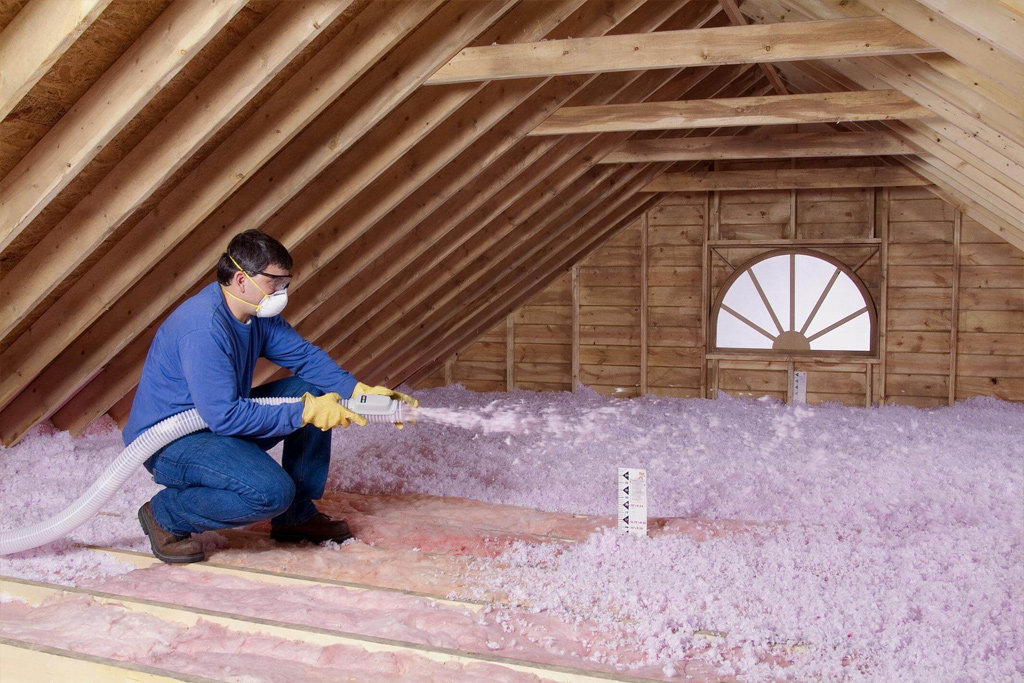
Mold in the attic is a common concern for homeowners, especially in climates with high humidity or fluctuating temperatures. Properly installed attic insulation and mold prevention strategies can make a significant difference in protecting your home from the costly and unhealthy effects of mold. By understanding how insulation works as a barrier against moisture and temperature changes, you can take proactive steps to safeguard your attic and the rest of your house.
In this article, we’ll explore the science behind insulation’s role in moisture control, the key ways it helps stop mold from taking hold, and practical steps you can take to ensure your attic remains dry and healthy. If you’re curious about the broader benefits of insulation, you might also want to learn why attic insulation is important for every home.
Understanding the Link Between Attic Insulation and Mold Prevention
Mold thrives in environments where moisture and warmth are present. Attics, with their proximity to the roof and exposure to temperature extremes, can easily become breeding grounds for mold if not properly protected. The main function of attic insulation is to control the flow of heat and, by extension, reduce the risk of condensation—a leading cause of mold growth.
When warm, moist air from living spaces rises and meets a cold attic surface, condensation can form. Over time, this moisture creates the perfect conditions for mold spores to develop and spread. Insulation acts as a buffer, minimizing temperature differences and reducing the likelihood of condensation.
How Insulation Controls Moisture and Reduces Mold Risk
The effectiveness of attic insulation and mold prevention efforts depends on both the type and quality of insulation installed. Here’s how insulation helps keep mold at bay:
- Temperature Regulation: Insulation maintains a more consistent attic temperature, preventing the rapid cooling that leads to condensation on rafters and roof decks.
- Moisture Barrier: Certain insulation materials, such as spray foam, provide an additional moisture barrier, blocking humid air from entering the attic space.
- Air Sealing: Properly installed insulation seals gaps and cracks, reducing air leaks that can carry moisture from the living areas below.
- Ventilation Support: While insulation is crucial, it works best in tandem with adequate attic ventilation, which helps remove excess moisture and keeps air circulating.
Common Causes of Mold in Attics and How Insulation Helps
Several factors can contribute to mold formation in attic spaces. Understanding these causes can help you target your prevention efforts more effectively:
- Poor or Missing Insulation: Without enough insulation, attics are more likely to experience temperature swings and condensation.
- Blocked or Inadequate Ventilation: Even with good insulation, blocked soffit or ridge vents can trap moisture, leading to mold.
- Roof Leaks: Water entering through damaged shingles or flashing can saturate insulation and wood, creating a mold-friendly environment.
- Improper Air Sealing: Gaps around light fixtures, ductwork, or attic hatches allow warm, moist air to escape into the attic.
Addressing these issues with the right insulation and ventilation setup is key to keeping your attic mold-free. If you’re unsure about the current state of your insulation, you can learn signs your attic insulation needs replacing to determine if an upgrade is necessary.
Choosing the Right Insulation for Mold Prevention
Not all insulation materials offer the same level of protection against moisture and mold. Here’s a quick overview of common types and their benefits:
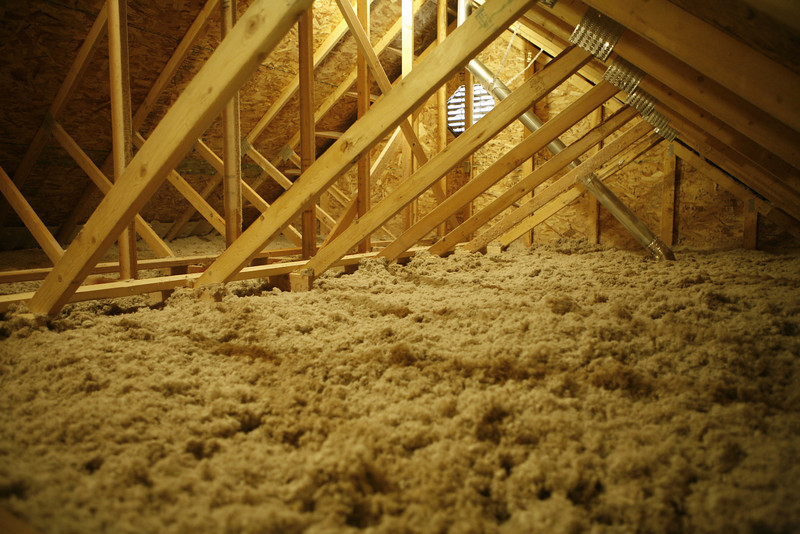
- Fiberglass Batts: Widely used and affordable, but can absorb moisture if exposed to leaks or high humidity.
- Cellulose: Treated with mold inhibitors and provides good coverage, but also vulnerable if it gets wet.
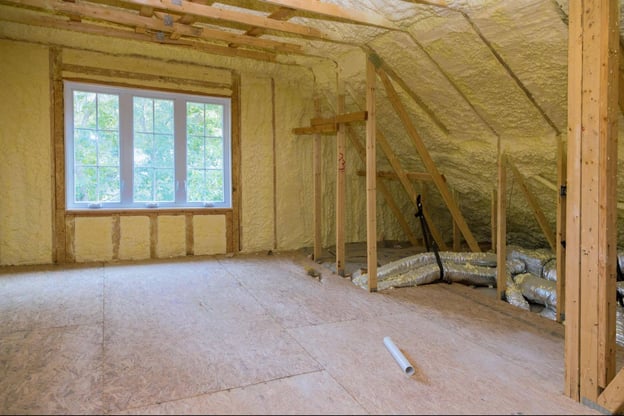
- Spray Foam: Excellent air and moisture barrier, expands to fill gaps, and resists mold growth.
- Rigid Foam Boards: Provide a strong moisture barrier and are often used in combination with other insulation types.
The best choice depends on your attic’s design, climate, and budget. For maximum effectiveness, professional installation is recommended to ensure all gaps are sealed and the insulation is evenly distributed. If you’re wondering how much attic insulation do I need for your home, consider consulting a local expert or using online calculators tailored to your region.
Best Practices for Maintaining a Mold-Free Attic
Once your attic is properly insulated, ongoing maintenance is essential for continued mold prevention. Here are some practical tips:
- Inspect Regularly: Check your attic at least twice a year for signs of moisture, leaks, or insulation damage.
- Maintain Ventilation: Ensure soffit, ridge, and gable vents are clear of debris and functioning properly.
- Seal Air Leaks: Use caulk or spray foam to seal gaps around pipes, wiring, and attic hatches.
- Monitor Humidity: Use a hygrometer to keep attic humidity below 60%. Consider a dehumidifier if moisture is a recurring problem.
- Address Roof Issues Promptly: Repair leaks or damaged shingles as soon as possible to prevent water intrusion.
If you’re planning to upgrade your insulation or want to check if your current setup is adequate, you can follow a step-by-step approach by reading how to check attic insulation thickness correctly.
Frequently Asked Questions
What are the signs of mold in the attic?
Common indicators include a musty odor, visible black or green patches on wood or insulation, and increased allergy symptoms among occupants. If you notice these signs, it’s important to address the underlying moisture issue and consult a professional for remediation.
How often should attic insulation be checked or replaced?
It’s a good idea to inspect your attic insulation at least once a year, especially after severe weather or roof repairs. If you notice sagging, dampness, or pest activity, it may be time to replace the insulation. For more details, see the guide on signs your attic insulation needs replacing.
Can adding more insulation cause ventilation problems?
Yes, adding insulation without maintaining proper airflow can trap moisture and increase the risk of mold. Always ensure that vents are not blocked and that insulation is installed to allow for adequate ventilation.
Does attic insulation help with other issues besides mold?
Absolutely. In addition to mold prevention, proper insulation improves energy efficiency, reduces heating and cooling costs, and can help prevent winter ice dams. For more on this, see how attic insulation prevents ice dams.
By understanding the connection between attic insulation and mold prevention, homeowners can take effective steps to protect their property, health, and investment. Regular maintenance, the right materials, and attention to ventilation all play a role in keeping your attic—and your entire home—safe from mold.


