


Understanding how to properly manage attic insulation and moisture control is essential for maintaining a comfortable, energy-efficient home. Homeowners often overlook the attic, but this space plays a critical role in regulating indoor temperatures, preventing structural damage, and reducing energy bills. By focusing on both insulation and moisture management, you can protect your property from common issues like mold, rot, and heat loss.
In this guide, we’ll break down the fundamentals of attic insulation, explore why moisture control is just as important, and provide actionable steps for creating a healthier, more efficient living environment. Whether you’re considering upgrading your attic’s insulation or troubleshooting persistent humidity problems, you’ll find practical advice to help you make informed decisions.
If you’re new to these concepts or want to learn more about why attic insulation is important, consider reading why attic insulation is important for every home.
The Role of Attic Insulation in Home Efficiency
Proper insulation in the attic acts as a barrier that slows the transfer of heat between your living space and the outdoors. This means your home stays warmer in winter and cooler in summer, reducing the workload on your HVAC system. The effectiveness of insulation is measured by its R-value, which indicates resistance to heat flow. The higher the R-value, the better the insulation’s performance.
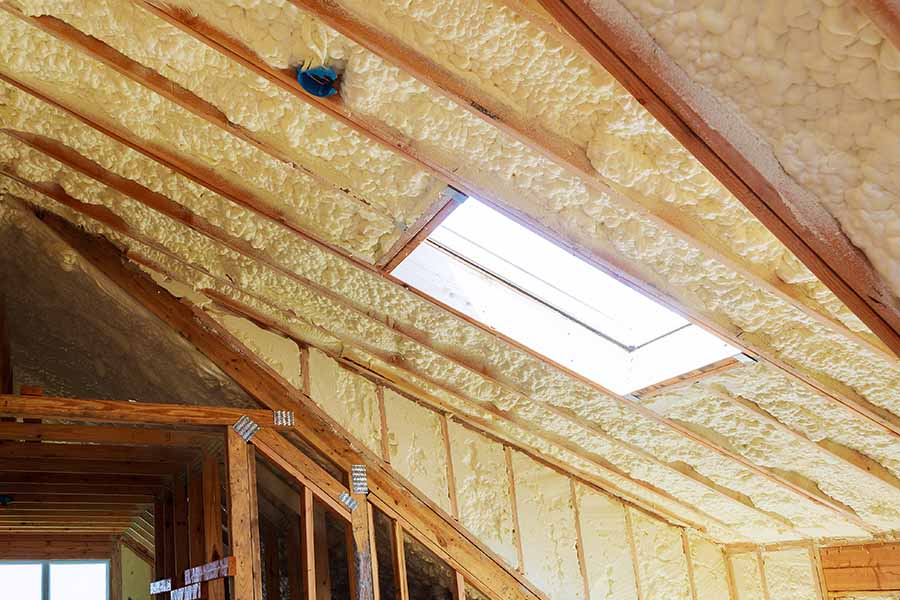
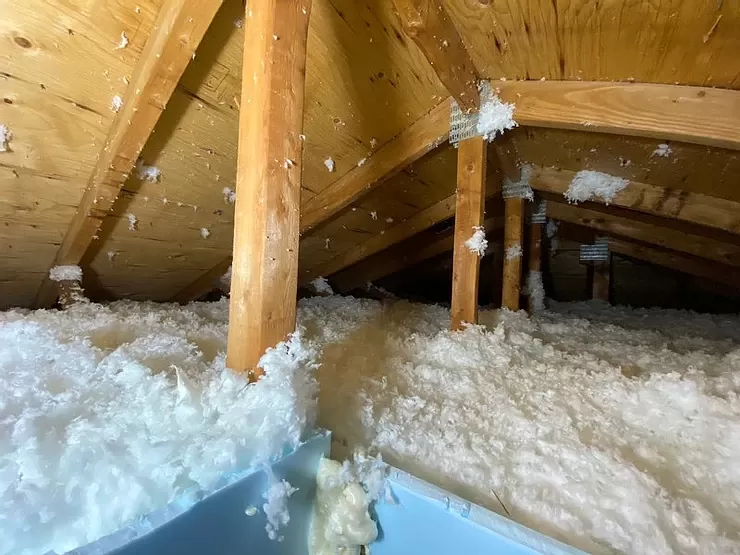
There are several types of insulation commonly used in attics, including fiberglass batts, blown-in cellulose, and spray foam. Each material has its own strengths and is suited to different attic layouts and budgets. Choosing the right insulation depends on your climate, the age of your home, and whether you’re dealing with an unfinished or finished attic.
Why Moisture Management Is Essential in the Attic
While insulation helps with temperature regulation, controlling moisture is equally important. Excess humidity in the attic can lead to condensation, which may cause wood rot, mold growth, and even compromise the effectiveness of your insulation. Moisture issues often arise from poor ventilation, roof leaks, or air leaks from the living space below.
Effective moisture control involves a combination of proper ventilation, vapor barriers, and regular inspections. Ridge vents, soffit vents, and gable vents are all designed to promote air circulation and prevent moisture buildup. A well-ventilated attic allows humid air to escape, reducing the risk of condensation and related problems.
How to Identify and Address Common Attic Problems
Spotting issues early can save you time and money. Here are some signs that your attic may need attention:
- Visible mold or mildew on rafters or insulation
- Musty odors coming from the attic
- Water stains or damp insulation
- Uneven temperatures in your home
- High energy bills without a clear cause
If you notice any of these warning signs, it’s important to act quickly. Start by checking for roof leaks, blocked vents, or gaps in your insulation. For a more in-depth look at when it’s time to upgrade, see the guide on signs your attic insulation needs replacing.
Best Practices for Installing and Maintaining Attic Insulation
To get the most out of your attic insulation, follow these key steps:
- Assess Existing Insulation: Before adding new material, check the current thickness and condition. Learn more about how to check attic insulation thickness correctly.
- Seal Air Leaks: Use caulk or spray foam to seal gaps around plumbing, wiring, and attic hatches. This prevents warm, moist air from entering the attic.
- Install Vapor Barriers: In colder climates, a vapor barrier on the warm side of the insulation helps prevent moisture from migrating into the attic.
- Ensure Proper Ventilation: Keep soffit and ridge vents clear of debris. Good airflow is crucial for moisture control.
- Choose the Right R-Value: Follow local building codes and recommendations for your region. For guidance, see how much attic insulation do I need for maximum efficiency.
- Regular Inspections: Check your attic at least once a year for signs of moisture, pests, or insulation settling.
Preventing Ice Dams and Other Seasonal Challenges
In colder regions, ice dams can form when heat escapes through the roof, melting snow that then refreezes at the eaves. This can cause water to back up under shingles, leading to leaks and moisture damage. Adequate insulation and ventilation are your best defenses against this problem. For a detailed explanation, check out how attic insulation prevents ice dams.
Seasonal changes can also bring humidity spikes or sudden drops in temperature. Stay proactive by monitoring attic conditions throughout the year and making adjustments as needed.
Frequently Asked Questions
How do I know if my attic insulation is working properly?
Signs of effective insulation include consistent indoor temperatures, manageable energy bills, and the absence of drafts or cold spots. If you notice uneven heating or cooling, or if your utility costs are rising, it may be time to inspect your attic for gaps, settling, or moisture issues.
Can I add new insulation over old insulation?
In most cases, you can add new insulation on top of existing material as long as the old insulation is dry and free from mold or pest damage. However, if the current insulation is wet, compacted, or contaminated, it should be removed before installing new layers.
What’s the best way to control moisture in the attic?
The most effective approach combines sealing air leaks, installing vapor barriers, and ensuring proper ventilation. Regularly check for roof leaks and keep vents clear to allow humid air to escape. Addressing these factors together will help maintain a dry, healthy attic space.
How often should attic insulation be replaced?
While insulation materials can last for decades, factors like moisture, pest infestations, or settling can reduce their effectiveness over time. Inspect your attic every few years and replace insulation if you notice significant deterioration or persistent moisture problems.
Conclusion
Managing attic insulation and moisture control is a vital part of home maintenance that can improve comfort, lower energy costs, and protect your property from damage. By understanding the basics of insulation, staying vigilant about moisture, and following best practices for installation and upkeep, you can ensure your attic remains a strong asset for your home’s overall performance.


