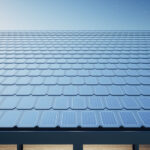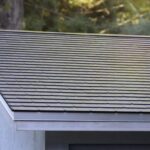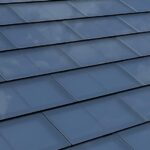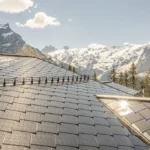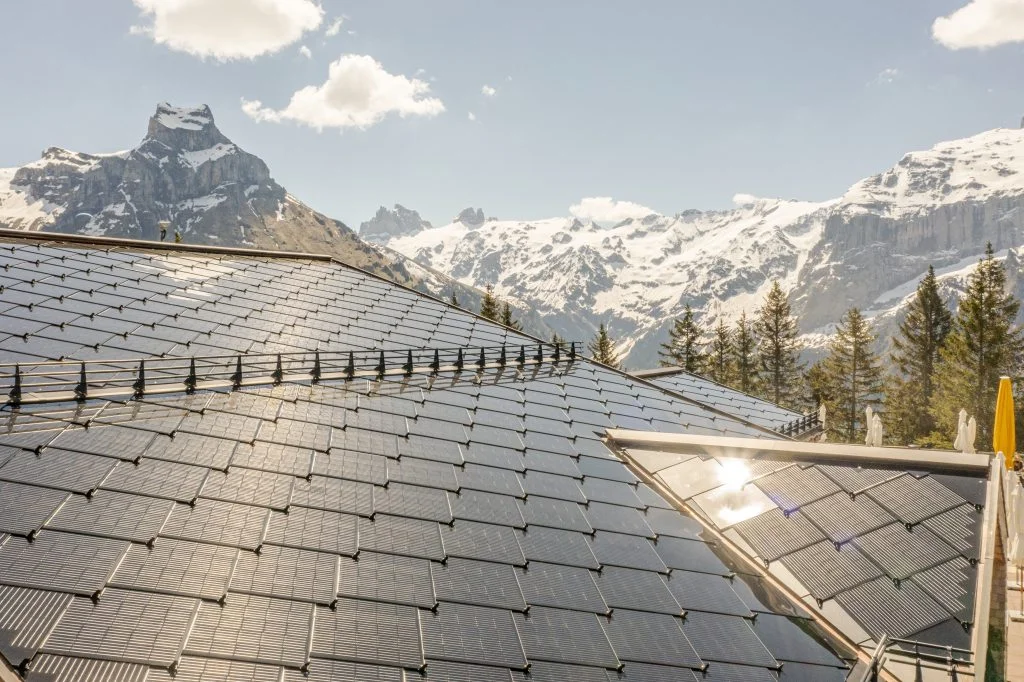
As more homeowners seek sustainable solutions, solar roof tiles have emerged as an innovative way to combine energy generation with modern aesthetics. These integrated photovoltaic tiles blend seamlessly into the roof, offering a visually appealing alternative to traditional solar panels. With growing interest in renewable energy and eco-friendly construction, understanding the advantages of solar roof tiles can help you decide if this technology is right for your home.
Beyond their sleek appearance, these tiles contribute to energy efficiency, reduce reliance on fossil fuels, and can even increase property value. In this article, we’ll explore the benefits, practical considerations, and frequently asked questions about this cutting-edge roofing option. For those interested in related home efficiency topics, you might also find our guide on how attic insulation prevents mold growth helpful.
How Solar Roof Tiles Work
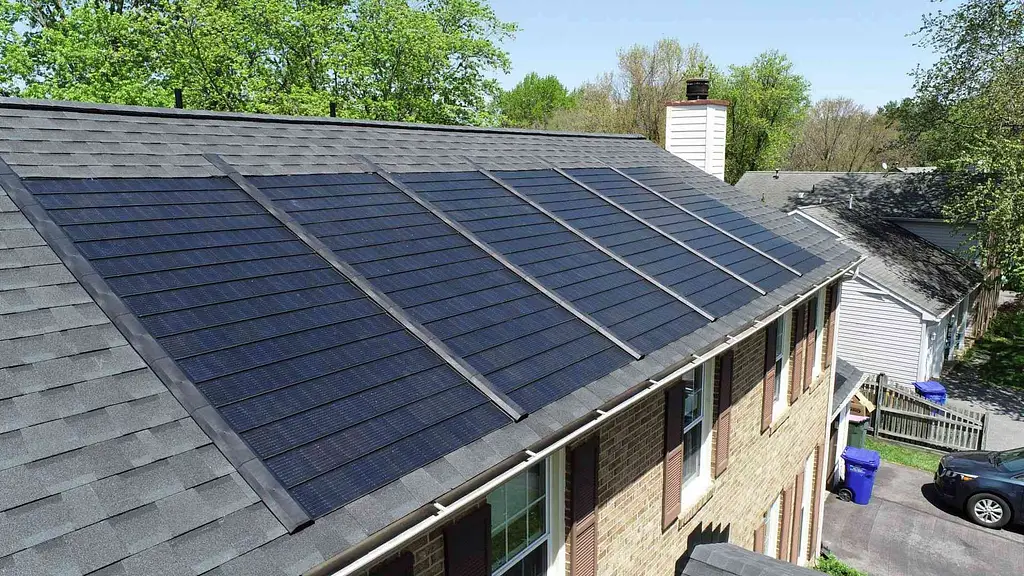
Solar roof tiles, also known as solar shingles, are designed to function as both roofing material and solar energy generators. Unlike bulky panels mounted on top of existing roofs, these tiles are installed in place of conventional shingles, forming a watertight and energy-producing surface. Each tile contains photovoltaic cells that convert sunlight into electricity, which is then used to power your home or stored in batteries for later use.
The integration of solar technology directly into the roof structure reduces the need for additional mounting hardware and preserves the architectural integrity of the home. This approach appeals to homeowners who want to embrace clean energy without compromising on curb appeal.
Key Benefits of Integrated Solar Roofing
There are several compelling reasons why homeowners are choosing solar roof tiles over traditional solar panels or standard roofing materials. Here are some of the most notable advantages of solar roof tiles for today’s residences:
- Enhanced Aesthetics: These tiles are designed to blend in with the rest of the roof, offering a low-profile and modern look that many find more attractive than conventional panels.
- Dual Functionality: Solar tiles serve as both a durable roofing material and a source of renewable energy, reducing the need for separate installations.
- Increased Property Value: Homes equipped with solar technology often see a boost in resale value, as buyers are drawn to energy-efficient features and lower utility costs.
- Durability and Weather Resistance: Many solar tiles are made from robust materials that can withstand harsh weather, including hail and high winds.
- Lower Energy Bills: By generating your own electricity, you can significantly reduce your monthly utility expenses, especially in sunny regions.
- Eco-Friendly Solution: Utilizing solar energy helps decrease reliance on fossil fuels and reduces your home’s carbon footprint.
Comparing Solar Tiles to Traditional Solar Panels
When evaluating solar energy options, it’s important to consider how integrated tiles differ from standard panels. Both technologies harness sunlight to produce electricity, but there are key distinctions:
- Installation: Solar tiles replace existing roofing materials, while panels are mounted on top of the roof. This can make tiles a better choice for new builds or full roof replacements.
- Appearance: Tiles offer a more streamlined and less obtrusive look, which is ideal for homeowners concerned about aesthetics.
- Efficiency: Traditional panels may offer higher energy output per square foot, but modern tile technology continues to improve in efficiency.
- Cost: The initial investment for solar tiles is typically higher, but the dual-purpose nature and potential for increased home value can offset the upfront expense over time.
For a deeper dive into the pros and cons, you can review this comprehensive comparison of solar roof tiles from industry experts.
Design and Customization Options
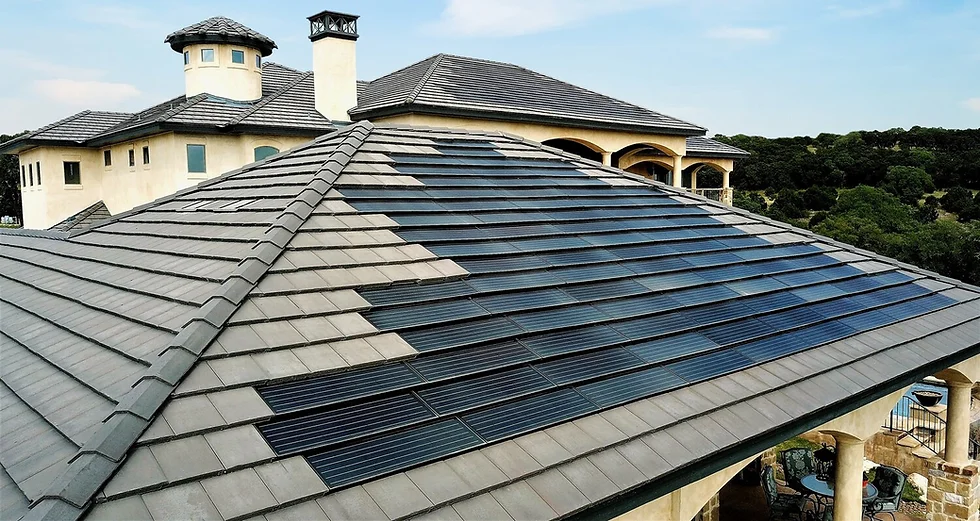
Modern solar tiles come in a variety of styles, colors, and finishes to complement different architectural designs. Whether you prefer the look of traditional shingles, slate, or even clay tiles, manufacturers now offer options that blend seamlessly with your home’s exterior. This flexibility allows homeowners to maintain their desired aesthetic while benefiting from renewable energy.
Some systems can be customized to cover only certain roof sections, maximizing sun exposure and efficiency. This adaptability makes solar tiles suitable for a wide range of home layouts and orientations.
Maintenance and Longevity
One of the often-overlooked advantages of solar roof tiles is their low maintenance requirements. Since these tiles are built to withstand the elements, they typically require minimal upkeep beyond occasional cleaning to remove debris or dirt. Their robust construction means they can last as long as, or even longer than, conventional roofing materials.
For homeowners interested in keeping their solar roof in top condition, using a specialized cleaning brush can help maintain optimal energy production. Regular inspections can also help identify any issues early, ensuring long-term performance and reliability. If you’re curious about maintaining other parts of your home’s insulation system, our resource on how to inspect roof insulation provides practical tips.
Environmental and Financial Impact
Embracing solar technology offers significant environmental benefits. By generating clean electricity, you reduce greenhouse gas emissions and contribute to a more sustainable future. Over time, the energy savings can offset the initial installation costs, making solar tiles a smart investment for eco-conscious homeowners.
Many regions also offer incentives, rebates, or tax credits for installing solar systems, further improving the return on investment. Additionally, as energy prices continue to rise, producing your own power can provide valuable protection against future cost increases.
Frequently Asked Questions
Are solar roof tiles suitable for all types of roofs?
Solar tiles are most effective on roofs with good sun exposure and a suitable pitch. They are ideal for new construction or when replacing an existing roof. However, not all roof structures are compatible, so it’s important to consult with a professional installer to assess your home’s suitability.
How long do solar roof tiles last?
Most solar tiles are designed to last 25-30 years or more, with many manufacturers offering warranties that match or exceed those of traditional roofing materials. Their durability and weather resistance help ensure a long service life.
What maintenance do solar roof tiles require?
Maintenance is generally minimal. Occasional cleaning to remove leaves, dust, or snow will help maintain peak performance. It’s also a good idea to schedule periodic inspections to check for any damage or debris buildup.
Can solar tiles be combined with other energy-saving measures?
Absolutely. Solar tiles work well alongside other home efficiency upgrades, such as improved insulation or energy-efficient windows. For example, learning about how attic insulation affects comfort in summer can help you maximize the benefits of your solar investment.
Conclusion
The shift toward renewable energy is reshaping how we think about home design and efficiency. By integrating energy generation directly into the roof, solar tiles offer a blend of style, durability, and sustainability that appeals to modern homeowners. With benefits ranging from lower utility bills to increased property value, these systems represent a forward-thinking investment in both your home and the environment.
If you’re considering a new roof or looking to upgrade your home’s energy profile, exploring the potential of solar tiles could be a smart move. For further reading on insulation and energy efficiency, see our article on attic insulation for pest prevention.